Is IPTV Legal? Understanding IPTV Legality and Risks

Quick answer
IPTV, short for Internet Protocol Television, is a method of delivering television content over the internet rather than traditional broadcast or cable formats. Many users wonder: is IPTV legal? The straightforward answer is that IPTV itself is a neutral technology and not inh...
Reviewed Against
• Common IPTV playlist, guide, device, and playback workflows covered across the site
Applies To
• IPTV setups that depend on playlist URLs, guide data, app settings, or streaming-device behavior
Does not apply when
• The issue is mainly billing, provider moderation, or a temporary server outage that app settings cannot fix.
Topic Cluster
Part of the IPTV cluster
Browse practical IPTV articles about IPTV, including setup choices, troubleshooting paths, and follow-on guides. This page sits in more in this topic for that topic path.
On this page
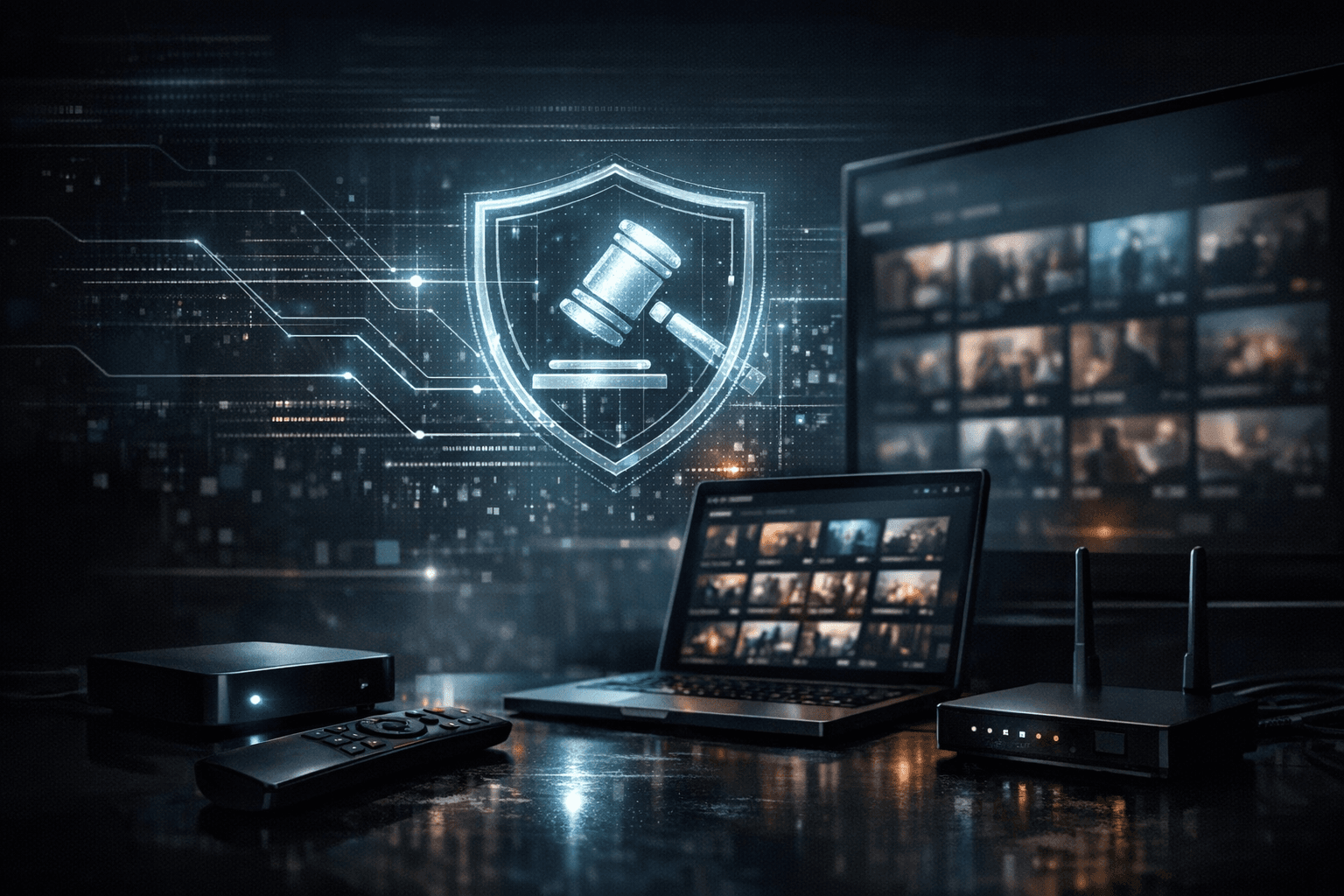
IPTV, short for Internet Protocol Television, is a method of delivering television content over the internet rather than traditional broadcast or cable formats. Many users wonder: is IPTV legal? The straightforward answer is that IPTV itself is a neutral technology and not inherently illegal. However, the legality of IPTV services depends almost entirely on how the content is sourced and whether the service holds proper rights to distribute it.
What you'll learn
- What IPTV means and how content licensing affects legality
- How to identify legal IPTV services vs unauthorized ones
- Common legal risks associated with IPTV use
- Practical steps to verify IPTV service legality
- Tips to avoid piracy and potential legal troubles
How IPTV Legality Works: Licensing and Content Rights
The core issue in IPTV legality revolves around copyright law. Television programs, movies, and channels are intellectual property protected by copyrights. A legitimate IPTV provider acquires licenses or distribution rights from the content owners to legally offer these programs to viewers.
Licensed distribution
When an IPTV service has agreements with broadcasters or studios, it pays for the right to stream or redistribute their content. This arrangement ensures the service is legal and that content creators receive rightful compensation.
Unauthorized streams and piracy
Many IPTV providers operate without any licenses, offering access to premium channels or recent movies either free or at suspiciously low prices. These unauthorized services violate copyright laws and are considered illegal in most jurisdictions.
Identifying Legal IPTV Services
It is important to recognize providers operating within the law to avoid unintentional piracy. Here are concrete signs of legitimate IPTV services:
Transparent business model
Legal providers clearly state their ownership, company information, and customer support channels. They provide terms of service, privacy policies, and subscription details.
Content rights disclosure
They often indicate which broadcasters or studios they partner with or have licensing agreements from.
Subscription fees and billing
Legitimate IPTV services charge reasonable subscription fees consistently and use trusted payment methods. Extremely low or free access to premium content is a warning sign.
Availability on official platforms
If the IPTV app or service is available through official app stores (Apple App Store, Google Play), it is more likely to comply with content rules, though verification is still recommended.
Common Legal Risks and Consequences of Illegal IPTV Use
Using unauthorized IPTV services can have several legal and practical repercussions:
- Legal liability: Depending on local laws, users may face warnings, fines, or other penalties for accessing pirated streams.
- Security risks: Illegal services often lack security standards, potentially exposing users to malware or data breaches.
- Unreliable service: Unauthorized IPTV providers may shut down abruptly, causing loss of service and money.
How to Verify IPTV Service Legality
To ensure you use IPTV compliant with the law, follow this step-by-step approach:
- Research the provider: Check the website for company details and licensing statements.
- Review user feedback: Search forums, reviews, and social media for reputation insights.
- Test the service carefully: Avoid paying upfront without a trial and see if content offered matches the provider's claims.
- Check app sources: Prefer apps from official stores or well-known developers.
- Look for transparent billing: Confirm payment channels are secure and billing is clear and consistent.
Common Mistakes to Avoid When Choosing IPTV Services
- Assuming free means legal: Free access to paid content is almost always unauthorized.
- Ignoring fine print: Skipping terms of service can lead users to unwittingly violate rules.
- Relying on shady websites: IPTV services only advertised on unknown or dubious sites often lack legal basis.
- Using shared access without permission: Accessing IPTV accounts shared publicly or sold cheaply carries risks.
IPTV Legality Comparison Checklist
| Aspect | Legal IPTV | Illegal IPTV |
|---|---|---|
| Content licensing | Authorized rights and agreements | No licensing, unauthorized use |
| Cost | Subscription fees charged | Often free or very cheap |
| Service transparency | Clear business info and contacts | Anonymous or unclear |
| Service stability | Reliable with support | Prone to shutdowns and outages |
| App availability | Official app stores or websites | Unofficial apps or side-loaded |
Conclusion
IPTV as a technology is perfectly legal; however, the legality of an IPTV service depends entirely on its agreements to distribute copyrighted content. When evaluating IPTV providers, look for clear licensing, transparent business practices, and reasonable subscription costs. Avoid free services or those that seem too good to be true, as these often operate illegally and may expose users to legal, security, and service interruptions risks. Staying informed and vigilant can help you enjoy IPTV safely and lawfully.
Frequently Asked Questions
Is IPTV inherently illegal?
No. IPTV is just a way to deliver television over the internet. Legality depends on whether the content streamed is authorized.
Can I get in trouble for using IPTV?
Using unauthorized IPTV services can carry legal risks, which vary by jurisdiction. Some users have received warnings or fines.
How can I confirm an IPTV service is legal?
Check for licensing statements, transparent business info, use of official apps, and user reviews.
Are free IPTV services legal?
Most free IPTV services offering premium or copyrighted content without permission are illegal.
Does installing an IPTV app mean I’m breaking the law?
Not necessarily. Apps can be legal platforms, but what they stream matters. Ensure the app comes from a trusted source and the content is authorized.
Related guides on IPTV Explained
Keep exploring
More explainers that connect naturally to this setup, workflow, or troubleshooting path.

When it comes to updating IPTV playlists, two common methods are M3U Plus and the Xtream Codes API. Both serve to refresh the channel lists and program information delivered to IPTV apps, but they do so in different ways.


If your TiviMate electronic program guide (EPG) is showing program times that do not align with the actual broadcast schedules, you are encountering an "EPG time offset" issue.
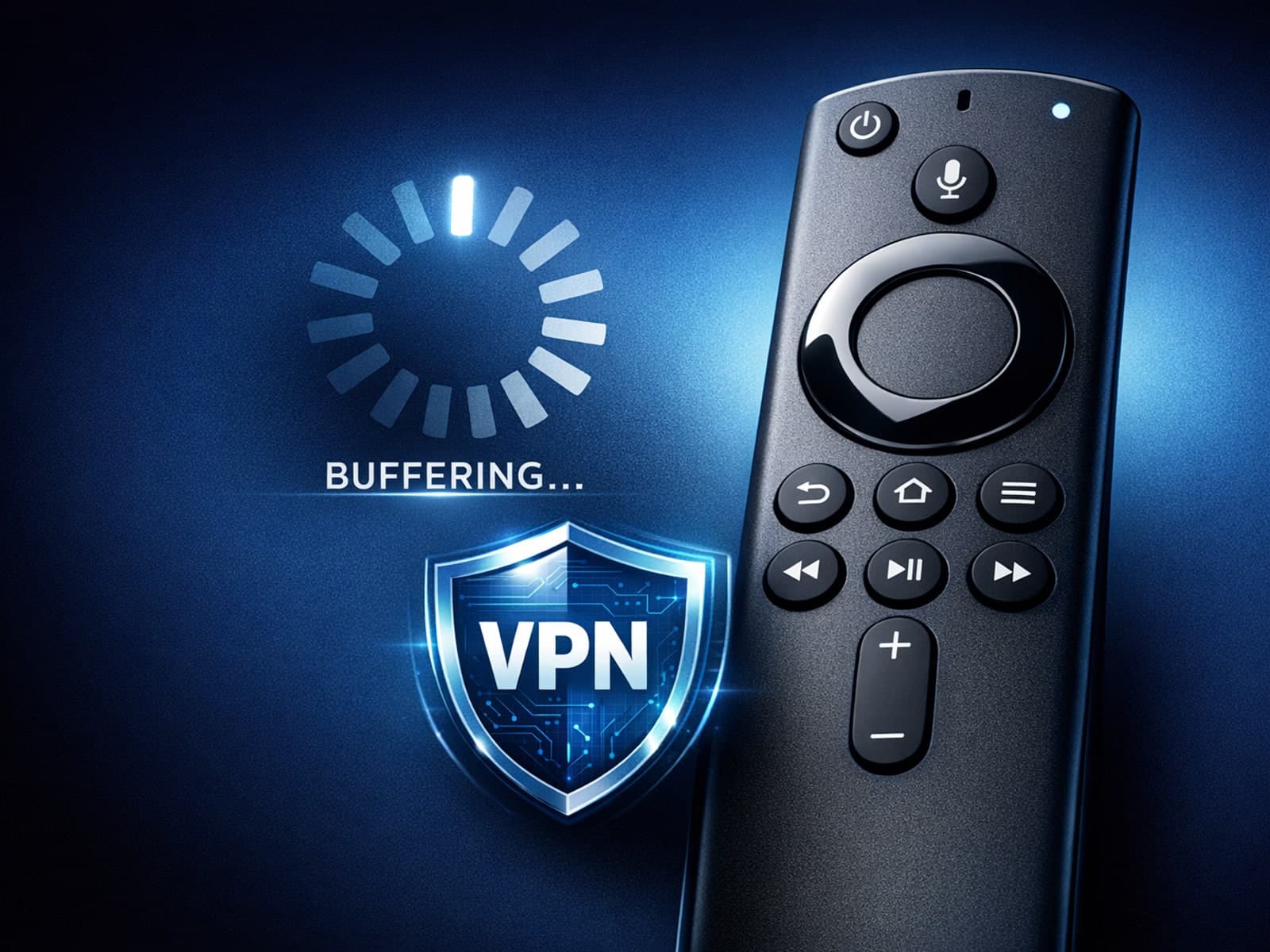
When you use a VPN (Virtual Private Network) on your Amazon Firestick to watch IPTV (Internet Protocol Television), you might experience buffering — pauses or delays in streaming where the video freezes to load more data.